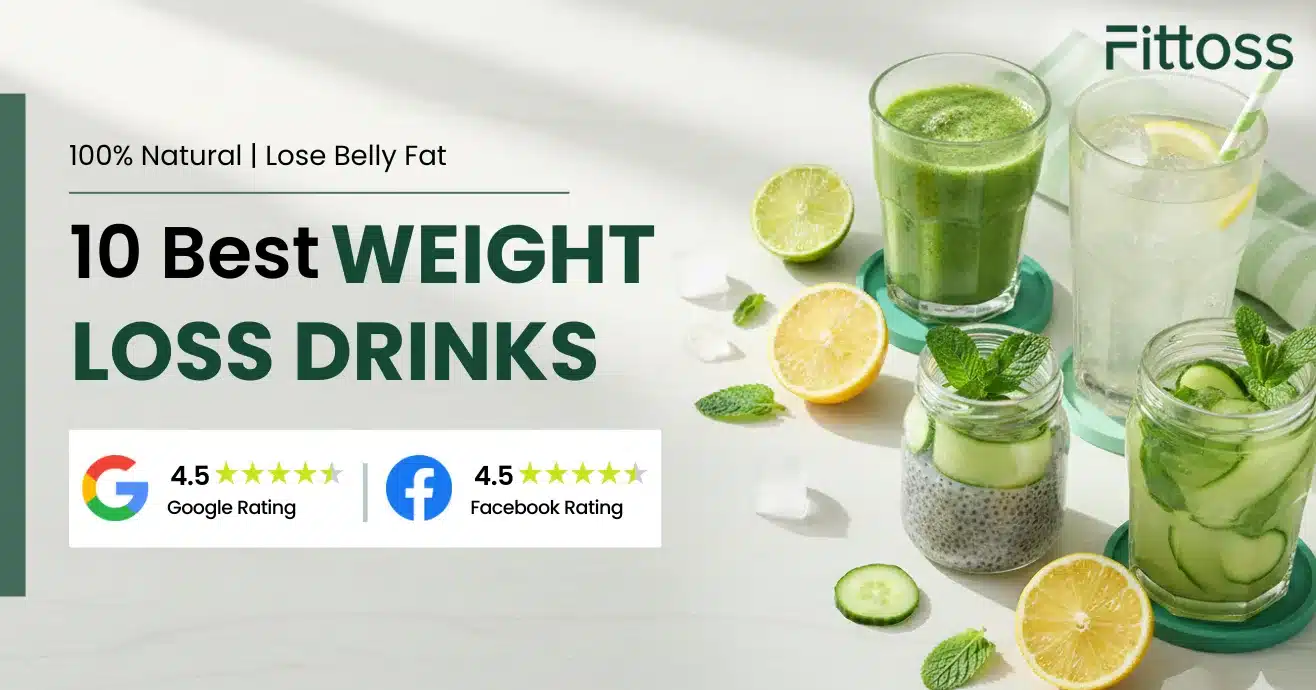
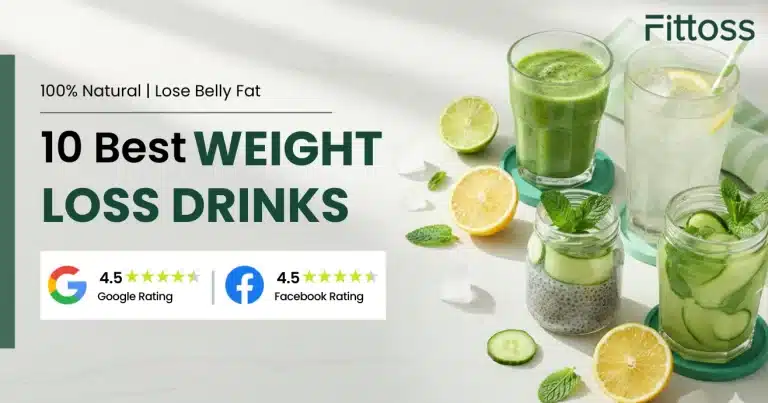


Weight loss drinks have become increasingly popular as people seek natural, convenient ways to support their fitness journeys. While no beverage can magically melt away pounds overnight, scientific research confirms that certain drinks can significantly enhance your weight loss efforts when combined with a healthy diet and regular exercise.
These beverages work through multiple mechanisms: boosting metabolism, increasing fat oxidation, suppressing appetite, improving digestion, and replacing high-calorie alternatives. A comprehensive 2025 network meta-analysis of 78 randomized trials involving 4,168 participants found that strategic beverage choices can result in measurable weight loss, particularly when substituting caloric drinks with water or specific functional beverages.
The key lies in understanding which drinks have robust scientific backing and how to incorporate them effectively into your daily routine.

The Science Behind How Weight Loss Drinks Work
Before diving into specific beverages, it’s essential to understand the four primary mechanisms through which weight loss drinks support fat reduction:
Thermogenesis and Metabolism Boost:
Certain compounds in beverages like green tea and coffee can increase your body’s heat production (thermogenesis), which elevates energy expenditure. Research demonstrates that drinking 500 ml of water can increase metabolic rate by up to 30% within 10 minutes, with effects lasting over an hour. Green tea catechins, particularly EGCG (epigallocatechin gallate), can boost metabolism by 4-5% and increase fat burning during exercise by up to 17%.
Appetite Suppression and Satiety:
Protein-rich beverages and certain herbal teas promote feelings of fullness by triggering satiety hormones like GLP-1 and PYY. A 2019 study found that whey protein drinks actively reduced appetite in women with obesity, helping control calorie intake throughout the day.
Fat Oxidation Enhancement:
Compounds like caffeine, catechins, and gingerols stimulate the breakdown of fat cells and enhance the body’s ability to use stored fat for energy. A systematic review of 94 studies confirmed that caffeine ingestion significantly increases fat metabolism.
Caloric Displacement:
Simply replacing sugar-sweetened beverages with water or zero-calorie alternatives creates a significant caloric deficit. The PREMIER trial found that each 100 kcal/day reduction in liquid calories was associated with 0.25 kg weight loss at 6 months and 0.24 kg at 18 months.
Top 10 Evidence-Based Weight Loss Drinks
1. Green Tea: The Metabolism Powerhouse
Green tea stands as perhaps the most extensively researched weight loss beverage, with over 14 clinical studies supporting its efficacy. This ancient elixir contains powerful antioxidants called catechins, with EGCG being the most potent for weight management.
Scientific Evidence: A 2024 network meta-analysis found that green tea consumption resulted in significant weight loss compared to placebo (mean difference: -1.23 kg) and water (-1.61 kg). People who drank high-concentration green tea for 12 weeks lost an average of 0.44 to 7.7 pounds (0.2 to 3.5 kg) more than non-green tea drinkers.
How It Works: Green tea’s catechins increase fat oxidation by up to 17% during exercise and boost resting metabolic rate by 4-5%. Matcha, a concentrated form of green tea, contains even higher catechin levels, making it especially effective for weight loss.
Best Practice: Consume 2-4 cups daily, preferably 30 minutes before meals or before exercise. Steep for 3-5 minutes in water at 160-180°F (not boiling) to preserve catechins. Adding lemon juice enhances catechin absorption by up to 80%.
Recipe: Brew 1 teaspoon of green tea leaves in 1 cup of hot water for 3-5 minutes. Add fresh lemon juice and a small amount of raw honey if desired.
2. Apple Cider Vinegar Water: The Blood Sugar Stabilizer
Apple cider vinegar (ACV) has gained tremendous popularity, and recent 2024-2025 research validates many of its weight loss claims.
Scientific Evidence: A groundbreaking 2024 randomized controlled trial in Lebanon with 120 overweight individuals found that daily consumption of 10-15 mL of ACV for 12 weeks led to significant reductions in body weight, BMI, waist circumference, and body fat ratio, with no adverse effects reported. A 2025 meta-analysis of 10 RCTs involving 789 participants confirmed that ACV significantly reduced body weight (SMD: -0.39), BMI (SMD: -0.65), and waist circumference (SMD: -0.34).
How It Works: The acetic acid in ACV improves insulin sensitivity, reduces fat storage, slows gastric emptying (promoting fullness), and may reduce appetite. It also helps regulate blood sugar levels, preventing the insulin spikes that promote fat storage.
Best Practice: Mix 1-2 tablespoons of raw, unfiltered ACV (with “the mother”) in 8-16 oz of warm water. Drink 15-30 minutes before meals, especially breakfast. Never consume undiluted, as it can damage tooth enamel and irritate the throat.
Recipe: Combine 1 tablespoon ACV, 8 oz warm water, 1/2 teaspoon cinnamon, 1 teaspoon raw honey, and a squeeze of lemon. Stir well and drink through a straw to protect teeth.
Precautions: Limit to 1-2 tablespoons daily. May interact with diabetes medications and diuretics. Consult your healthcare provider if you have acid reflux or take regular medications.
3. Water: The Foundation of Weight Loss
Plain water remains the most fundamental yet often overlooked weight loss drink. Its role extends far beyond simple hydration.
Scientific Evidence: A 2010 randomized controlled trial found that drinking 500 ml of water before each meal increased weight loss by 44% over 12 weeks in middle-aged and older adults. Another study with 50 overweight women showed that drinking 1.5 liters of water (500 ml three times daily, 30 minutes before meals) for 8 weeks resulted in significant reductions in body weight, BMI, body fat, and appetite scores.
How It Works: Water increases metabolic rate by 24-30% for up to 90 minutes after consumption. It creates a feeling of fullness before meals, reducing calorie intake. Water also enhances fat breakdown (lipolysis) and helps the body flush out toxins and waste products.
Best Practice: Aim for at least 2-3 liters (8-12 cups) daily. Drink 500 ml (2 cups) 30 minutes before each meal. Cold water may have a slight thermogenic advantage, burning 2-3% more calories as your body warms it to body temperature.
Hydration Guidelines: Women need approximately 2.2 liters (9 cups) and men 3.0 liters (13 cups) of total beverages daily. Increase intake during exercise, hot weather, or if you’re nursing/pregnant.
4. Black Coffee: The Fat-Burning Stimulant
Coffee, when consumed black and without added sugar or cream, serves as a powerful weight loss ally.
Scientific Evidence: A 2018 systematic review and meta-analysis of 13 randomized controlled trials with 606 participants found that caffeine intake significantly promoted weight reduction, BMI decrease, and fat mass reduction. For every doubling of caffeine intake, weight reduction increased by 22%, BMI by 17%, and fat mass by 28%. A 2023 Harvard study suggested that drinking four cups of coffee daily may lead to a 4% reduction in body fat.
How It Works: Caffeine increases metabolic rate by 3-11% and can boost fat burning by 10% in obese individuals and 29% in lean people. It stimulates the nervous system, sending signals to fat cells to break down fat, and enhances exercise performance, allowing you to burn more calories during workouts.
Best Practice: Consume 1-4 cups daily (up to 400 mg caffeine), preferably before workouts or in the morning. Avoid adding sugar, cream, or high-calorie flavorings. Black coffee contains only 2 calories per cup.
Timing Matters: Drink coffee 30-60 minutes before exercise for maximum fat-burning benefits. Avoid late-day consumption to prevent sleep disruption.
Caution: Those sensitive to caffeine should limit intake. Excessive consumption may cause jitters, anxiety, rapid heart rate, or digestive issues.
5. Ginger Tea: The Thermogenic Digestive Aid
Ginger (Zingiber officinale) has been used medicinally for over 6,000 years, and modern science confirms its weight loss properties.
Scientific Evidence: A comprehensive 2024 systematic review and meta-analysis of 27 RCTs involving 1,309 participants found that ginger supplementation significantly reduced body weight (WMD: -1.52 kg), BMI (WMD: -0.58 kg/m²), waist circumference (WMD: -1.04 cm), and body fat percentage (WMD: -0.87%). The effective dose was determined to be 2 grams per day for at least 8 weeks.
How It Works: Ginger contains bioactive compounds called gingerols and shogaols that enhance thermogenesis, increase feelings of satiety, reduce hunger, and improve digestion. A 2012 pilot study found that ginger consumption enhanced the thermic effect of food and promoted feelings of satiety without affecting metabolic and hormonal parameters.
Best Practice: Consume 2-3 grams (about 1 teaspoon grated fresh ginger or 1/2 teaspoon powder) in tea form, 2-3 times daily. Drink before meals or early morning for maximum effect.
Recipe: Grate 1 tablespoon fresh ginger, add to 1-2 cups boiling water, simmer for 10 minutes, strain, and add lemon juice and honey to taste. Can be consumed hot or cold.
Additional Benefits: Ginger reduces inflammation, improves insulin sensitivity, lowers cholesterol, alleviates nausea, and supports cardiovascular health.
6. Protein Shakes: The Muscle-Preserving Metabolism Booster
High-protein beverages serve as excellent tools for weight loss, especially when replacing meals or consumed as snacks.
Scientific Evidence: Multiple clinical trials demonstrate that protein shakes increase satiety, reduce hunger, and help preserve lean muscle mass during weight loss. Studies show that consuming high-protein shakes leads to greater weight loss compared to isocaloric low-protein alternatives, with improvements in metabolic markers. A 2008 study found that whey protein supplementation increased fat loss and spared lean muscle in hypocaloric diets.
How It Works: Protein has the highest thermic effect of all macronutrients, increasing metabolic rate by 20-30% compared to 5-10% for carbs and 0-3% for fats. It triggers satiety hormones (GLP-1 and PYY), suppresses the hunger hormone ghrelin, and requires more energy to digest. Protein also preserves muscle mass during calorie restriction, maintaining metabolic rate.
Best Practice: Consume 20-30 grams of protein per shake. Use whey, casein, pea, or soy protein powders. Optimal times include: after workouts (for recovery), as meal replacements (especially breakfast or lunch), between meals (to curb hunger), or before bed (casein for overnight muscle preservation).
Recipe: Blend 1 scoop protein powder (25g protein), 1 cup unsweetened almond milk, 1/2 banana, a handful of spinach, 1 tablespoon almond butter, ice cubes, and 1 tablespoon chia seeds.
Note: Choose protein powders without added sugars or artificial additives. Aim for products with 20-30g protein and less than 5g sugar per serving.
7. Lemon Water with Honey: The Morning Metabolism Kickstarter
This simple yet effective Indian traditional remedy combines vitamin C-rich lemon with natural honey to jumpstart your metabolism.
Scientific Evidence: While direct weight loss studies are limited, lemon water’s components offer proven benefits. Lemon is rich in vitamin C and antioxidants that support metabolism, while honey’s fructose regulates hunger hormones better than refined sugar. A study found participants who drank lemon water lost 2.2 kg more than controls over 4 weeks.
How It Works: Lemon water aids digestion, supports liver detoxification, provides antioxidants, and keeps you hydrated. The pectin fiber in lemons may help reduce appetite. Honey provides natural sweetness while stabilizing blood sugar better than table sugar.
Best Practice: Drink first thing in the morning on an empty stomach, 15-30 minutes before breakfast. Use warm (not boiling) water to preserve vitamin C.
Recipe: Squeeze juice of 1/2 fresh lemon into 1 cup warm water, add 1 teaspoon raw honey, stir well. Drink through a straw to protect tooth enamel.
Additional Benefits: Boosts immunity, improves skin health, alkalizes the body, and reduces bloating.
8. Vegetable Juice: The Nutrient-Dense Low-Calorie Option
Fresh vegetable juices provide concentrated nutrition with minimal calories, making them excellent for weight management.
Scientific Evidence: A 2010 study published in Nutrition Journal found that individuals with metabolic syndrome who consumed 8 oz of low-sodium vegetable juice daily while following a DASH diet lost significantly more weight (approximately 0.33 lb per week) compared to those who didn’t drink vegetable juice. A 2017 study showed that a 3-day vegetable/fruit juice diet induced significant weight loss and altered intestinal microbiota associated with weight reduction.
How It Works: Vegetable juices are low in calories but high in fiber, vitamins, minerals, and antioxidants. One cup of tomato juice contains only 41 calories compared to 122 for orange juice. The fiber helps control hunger and supports healthy digestion.
Best Practice: Consume 8-16 oz daily, preferably before meals. Choose low-sodium varieties or make fresh juice at home. Favor vegetable-based over fruit juices to minimize sugar content.
Best Vegetables: Tomato, cucumber, celery, spinach, kale, beetroot, carrot (in moderation), and leafy greens.
Recipe: Blend 2 tomatoes, 1/2 cucumber, 2 celery stalks, a handful of spinach, 1 small beetroot, 1/2 lemon juice, a pinch of black pepper, and rock salt. Strain if desired and drink fresh.
9. Jeera Water (Cumin Water): The Indian Metabolism Booster
Jeera (cumin) water is a traditional Indian remedy that has gained scientific validation for its weight loss properties.
Scientific Evidence: An 8-week study with 72 participants aged 18-50 years found that those consuming high-dose jeera water (75 mg twice daily with lime) lost an average of 2.1 kg, while the low-dose group (25 mg twice daily) lost 1.2 kg. The high-dose group also showed significant improvements in fasting blood sugar, insulin sensitivity, and cholesterol levels.
How It Works: Jeera contains thymol and cumin aldehyde, which stimulate digestive enzymes, enhance metabolism, promote fat breakdown, improve nutrient absorption, and reduce bloating. The Iranian Red Crescent Medical Journal confirmed that cumin-based drinks significantly aided weight reduction during weight loss programs.
Best Practice: Drink 1 glass (250 ml) on an empty stomach in the morning, and optionally before other meals. Continue for at least 30 days for visible results.
Recipe: Soak 1 tablespoon of cumin seeds in 1 glass of water overnight. In the morning, boil the water with seeds for 2-3 minutes, strain, and drink warm. Optional: add lemon juice or grated ginger.
Additional Benefits: Improves digestion, reduces acidity, detoxifies the body, regulates blood sugar, and provides iron and antioxidants.
10. Detox Water (Cucumber, Lemon, Mint): The Hydration Enhancer
Detox waters infuse plain water with fruits, vegetables, and herbs, making hydration more appealing while adding minimal calories.
Scientific Evidence: While specific weight loss studies are limited, detox waters encourage increased water consumption, which research shows aids weight loss. A study showed that a cucumber-lemon-mint infusion helped with hydration and provided metabolism-boosting compounds from its ingredients.
How It Works: Increases overall water intake, provides flavor without calories, delivers antioxidants and vitamins, supports detoxification, reduces bloating (cucumber is a natural diuretic), and aids digestion (mint soothes the digestive tract).
Best Practice: Prepare in the evening, refrigerate overnight, and consume throughout the next day. Drink 2-3 liters daily for optimal hydration and weight loss support.
Classic Recipe: Add to 1 liter of water: 1 sliced lemon, 1/2 sliced cucumber, 10-12 fresh mint leaves, optional: sliced ginger or berries. Refrigerate 4-8 hours before drinking.
Variations: Apple-cinnamon water, berry-basil water, orange-ginger water, watermelon-mint water.
Herbal Teas for Weight Loss: Traditional Wisdom Meets Modern Science
1. Cinnamon Tea
Cinnamon helps regulate blood sugar levels, which prevents insulin spikes that promote fat storage. Research shows that consuming at least 2 grams daily for 12 weeks can significantly decrease fat mass. Cinnamon also improves insulin sensitivity and may reduce cravings.
Preparation: Add 1 cinnamon stick or 1 teaspoon powder to 1 cup boiling water, steep 10 minutes, strain, and drink. Best consumed before bedtime or 30 minutes before meals.
2. Fenugreek Tea
Fenugreek seeds contain soluble fiber that creates feelings of fullness, suppresses appetite, and helps control blood sugar. A 2023 systematic review found that fenugreek supplementation positively affected waist circumference. Studies show that consuming 8 grams of fenugreek fiber significantly increased satiety and reduced food intake at the next meal.
Preparation: Soak 1 teaspoon of fenugreek seeds overnight, boil with 1-inch Ceylon cinnamon for 2-3 minutes in the morning, strain, and drink on an empty stomach.
3. Fennel Tea
Fennel acts as a natural diuretic, aids digestion, reduces bloating, and helps with nutrient absorption. It’s particularly effective when consumed after meals.
Preparation: Boil 1/2 teaspoon fennel seeds in 150 ml water for 5-7 minutes, strain, and sip slowly after eating.
Comparison Table: Weight Loss Drinks at a Glance
| Drink | Key Benefits | Calorie Content | Best Time to Consume | Evidence Level |
| Green Tea | Boosts metabolism by 4-5%, increases fat burning by 17% | 2 per cup | 30 min before meals/exercise | High (14+ studies) |
| Apple Cider Vinegar Water | Reduces body weight, BMI, and waist circumference | 3-5 per serving | 15-30 min before meals | High (10+ RCTs) |
| Water | Increases metabolism 30%, reduces appetite | 0 | Before meals, throughout the day | Very High |
| Black Coffee | Increases metabolic rate 3-11%, enhances fat burning | 2 per cup | Morning, pre-workout | High (Meta-analysis) |
| Ginger Tea | Reduces weight by 1.52kg, BMI, body fat% | 5-10 per cup | Before meals, morning | High (27 RCTs) |
| Protein Shakes | Preserves muscle, increases satiety | 150-200 per serving | Post-workout, meal replacement | High |
| Lemon-Honey Water | Supports digestion, boosts metabolism | 25-30 per cup | First thing in morning | Moderate |
| Vegetable Juice | Nutrient-dense, low-calorie | 41-60 per cup | Before meals | Moderate |
| Jeera Water | Reduces 2.1kg in 8 weeks, improves insulin | 5-10 per cup | Empty stomach morning | Moderate-High |
| Detox Water | Enhances hydration, antioxidants | 0-10 per liter | Throughout day | Moderate |
Indian Traditional Drinks for Weight Loss
India’s ancient wellness traditions offer several effective weight loss beverages that combine taste with therapeutic benefits:
1. Buttermilk (Chaas)
This probiotic-rich drink offers 98 calories per 240 ml serving while providing 8 grams of protein. It aids digestion, improves metabolism, curbs cravings, and provides essential nutrients. Prepare by whisking 1 cup yogurt with 2 cups water, adding roasted jeera powder, salt, coriander, and optional green chili.
2. Triphala Water
This Ayurvedic combination of three fruits (amla, haritaki, bibhitaki) acts as a gentle colon cleanser, flushes toxins, promotes digestion, and regulates bowel movements. Mix 1 teaspoon Triphala powder in warm water, let sit 5-10 minutes, and drink before bedtime.
3. Green Tea with Tulsi
Combining green tea’s catechins with Tulsi’s (holy basil) stress-reducing properties creates a powerful metabolism booster that also lowers cortisol (a stress hormone associated with belly fat). Boil water with Tulsi leaves, add green tea, steep 3-5 minutes, and drink between meals.
When to Drink Weight Loss Beverages: Timing Matters
Strategic timing maximizes the effectiveness of weight loss drinks:
Early Morning (Empty Stomach):
- Lemon-honey water
- Jeera water
- ACV water
- Warm water
30 Minutes Before Meals:
- Water (500 ml)
- Green tea
- ACV drink
- Ginger tea
Between Meals:
- Green tea
- Herbal teas
- Detox water
- Black coffee (morning/afternoon)
Pre-Workout:
- Black coffee
- Green tea
- Protein shake
Post-Workout:
- Protein shake
- Coconut water
- Lemon water
Before Bed:
- Cinnamon tea
- Triphala water
- Chamomile tea (avoid caffeinated drinks)
Potential Side Effects and Precautions of Weight Loss Drinks
While generally safe, weight loss drinks can cause side effects if consumed excessively or improperly:
Apple Cider Vinegar:
- May erode tooth enamel (always dilute, use a straw)
- It can irritate the throat and esophagus
- May interact with diuretics, insulin, and digoxin
- Limit to 1-2 tablespoons daily
Caffeine-Containing Drinks (Coffee, Green Tea):
- May cause jitters, anxiety, and insomnia if consumed in excess
- Can increase heart rate and blood pressure
- May cause digestive upset
- Limit caffeine to 400 mg daily (about 4 cups of coffee)
Ginger:
- May cause digestive discomfort in some individuals
- Can reduce blood viscosity; caution with anticoagulants
- May lower blood sugar; monitor if diabetic
Protein Shakes:
- May cause bloating or digestive issues
- Ensure adequate fiber intake
- Choose quality products without excess additives
General Precautions:
- Pregnant/nursing women should consult healthcare providers
- Those with medical conditions should seek medical advice
- Start with small amounts to assess tolerance
- Stay within recommended daily limits
Warning Signs to Stop:
- Severe digestive distress
- Allergic reactions
- Rapid heart rate or palpitations
- Dizziness or headaches
Evidence-Based Tips for Maximizing Results
1. Replace Sugary Beverages
The WHO guidelines emphasize reducing consumption of sugar-sweetened beverages to prevent unhealthy weight gain. Replacing just one 12-oz soda (150 calories) daily with water can lead to 15 pounds of weight loss over a year.
2. Practice Consistent Hydration
Drink water consistently throughout the day. A 2025 systematic review confirmed that water intake, regardless of timing, supports weight management through multiple mechanisms.
3. Combine with Lifestyle Changes
No drink works in isolation. Successful weight loss requires:
- Balanced, nutrient-dense diet
- Regular physical activity (150-300 minutes weekly)
- Adequate sleep (7-9 hours nightly)
- Stress management
- Portion control
4. Track Your Intake
Monitor both beverage and food consumption. Studies show self-monitoring increases weight loss success.
5. Be Patient and Consistent
Most studies show significant results after 8-12 weeks of consistent consumption. Give your body time to respond.
6. Choose Quality Ingredients
Opt for organic, raw, unprocessed ingredients when possible. For instance, raw, unfiltered ACV “with the mother” contains beneficial enzymes and bacteria.
7. Listen to Your Body
Pay attention to how different beverages affect your energy, digestion, and appetite. Personalize your approach based on your responses.
Frequently Asked Questions (FAQs)
Q1: Can I lose weight by just drinking these beverages without diet or exercise?
A: While weight loss drinks offer metabolic benefits, they work best as part of a comprehensive approach, including balanced nutrition and physical activity. Research consistently shows that combining beverages with lifestyle modifications produces superior results.
Q2: How much weight can I realistically lose with weight loss drinks?
A: Studies show modest but meaningful results. Green tea users lost 0.44-7.7 lbs over 12 weeks, ACV consumers lost 7-7.4 kg in 12 weeks, and water drinkers increased weight loss by 44% compared to controls. Individual results vary based on starting weight, diet, exercise, and consistency.
Q3: Are weight loss drinks safe for everyone?
A: Most are safe for healthy adults when consumed in recommended amounts. However, pregnant/nursing women, children, and those with medical conditions should consult healthcare providers. Some drinks may interact with medications.
Q4: When will I see results?
A: Most research shows noticeable results after 4-12 weeks of consistent use. Initial changes (reduced bloating, increased energy) may occur within days, while measurable weight loss typically requires 4+ weeks.
Q5: Can I drink multiple types of weight loss drinks in one day?
A: Yes, you can strategically combine different drinks throughout the day. For example: lemon water in the morning, green tea before lunch, water before dinner, and herbal tea in the evening. Ensure total caffeine stays under 400 mg daily.
Q6: Do I need to drink them hot or cold?
A: Temperature preference is individual, though cold water may have slight thermogenic advantages as your body warms it. Green tea preserves catechins best at 160-180°F (not boiling). Hot beverages may increase satiety.
Q7: Should I use natural honey or artificial sweeteners?
A: Natural honey in small amounts (1 teaspoon) is preferable to artificial sweeteners, which may disrupt the gut microbiome and affect appetite regulation. However, use sweeteners sparingly or not at all for maximum weight loss.
Q8: Can these drinks reduce belly fat specifically?
A: Research shows certain drinks like green tea, ACV, and ginger tea reduce waist circumference and visceral fat, though spot reduction is not possible. Overall weight loss will eventually include abdominal fat.
Q9: Are store-bought versions as effective as homemade?
A: Homemade preparations are generally superior as they avoid added sugars, preservatives, and artificial ingredients common in commercial products. If buying, choose unsweetened, organic options with minimal additives.
Q10: What’s the most effective single drink for weight loss?
A: Water is the foundation, supported by the most extensive research. For metabolic benefits, green tea has the strongest evidence base with 14+ studies. Combining water consumption with 2-3 cups of green tea daily offers optimal benefits.
Your 30-Day Weight Loss Drink Challenge
Week 1: Start your morning with warm lemon-honey water, drink 2-3 cups of green tea daily, and consume 2-3 liters of water
Week 2: Add ACV water before breakfast, introduce ginger tea, maintain hydration
Week 3: Try jeera water on an empty stomach, incorporate protein shakes post-workout, and experiment with detox waters
Week 4: Establish a sustainable routine combining your favorite drinks, track progress, and adjust as needed
Remember, sustainable weight loss occurs at 0.5-1 kg (1-2 lbs) per week. These drinks support a healthy rate while nourishing your body with beneficial compounds.
Start with the simplest change: drink 500 ml of water 30 minutes before each meal. This single habit, backed by robust research, can increase your weight loss by up to 44%. Then gradually incorporate other evidence-based beverages that appeal to your taste preferences and fit your lifestyle.
For personalized guidance on incorporating these drinks into your weight management plan, consult with nutritionists or healthcare professionals at Fittoss. Our experts can help design a customized beverage and nutrition strategy tailored to your unique needs, health status, and weight loss goals.
Your journey to a healthier, fitter you starts with simple, sustainable choices. Choose your drinks wisely, stay consistent, and celebrate your progress along the way!
Conclusion: Your Action Plan for Success
Weight loss drinks represent powerful tools in your wellness arsenal, but they’re most effective when integrated into a holistic health approach. The scientific evidence is clear: beverages like green tea, apple cider vinegar water, plain water, black coffee, and traditional Indian remedies like jeera water can significantly support your weight loss journey.
References
- Dietary Supplements for Weight Management: A Narrative Review of Safety and Metabolic Health Benefits. PMC, 2022.
- Novel Multi-Ingredient Supplement Facilitates Weight Loss and Improves Body Composition. MDPI, 2023.
- Could Natural Products Help in the Control of Obesity? Current Insights and Future Perspectives. MDPI, 2023.
- Current Evidence to Propose Different Food Supplements for Weight Loss: A Comprehensive Review. MDPI, 2020.
- Replacing caloric beverages with water or diet beverages for weight loss in adults. PMC, 2012.
- Health Benefits Beyond the Scale: The Role of Diet and Nutrition During Weight Loss Programmes. MDPI, 2024.
- Negative, Null and Beneficial Effects of Drinking Water on Energy Intake. MDPI, 2015.
- Reduction in consumption of sugar-sweetened beverages is associated with weight loss. PMC, 2009.